Consider the long lunch. Not the hurried sandwich at a desk, nor the efficient thirty minutes between meetings, but the real thing — the lunch that begins at one and is somehow still unfolding at four, the bottle that becomes a second, the conversation that wanders without destination, the afternoon that simply dissolves. Somewhere in the south of Europe, this is not an indulgence but a birthright. And anyone who has sat at such a table knows the truth that our own hurried culture has nearly forgotten: that the greatest luxury available to a human being is not a thing at all. It is time, spent slowly, on purpose.
We have been taught to measure a life in productivity — in the speed of our replies, the fullness of our calendars, the heroic quantity of what we manage to cram into a day. Busyness has become a kind of status, the modern way of signalling that one matters. And yet the people who seem, to us, to live most beautifully are almost never the busiest. They are the ones who have learned to move slowly through the world: to linger, to dawdle, to let a morning take as long as a morning wishes to take.
The Unhurried Morning
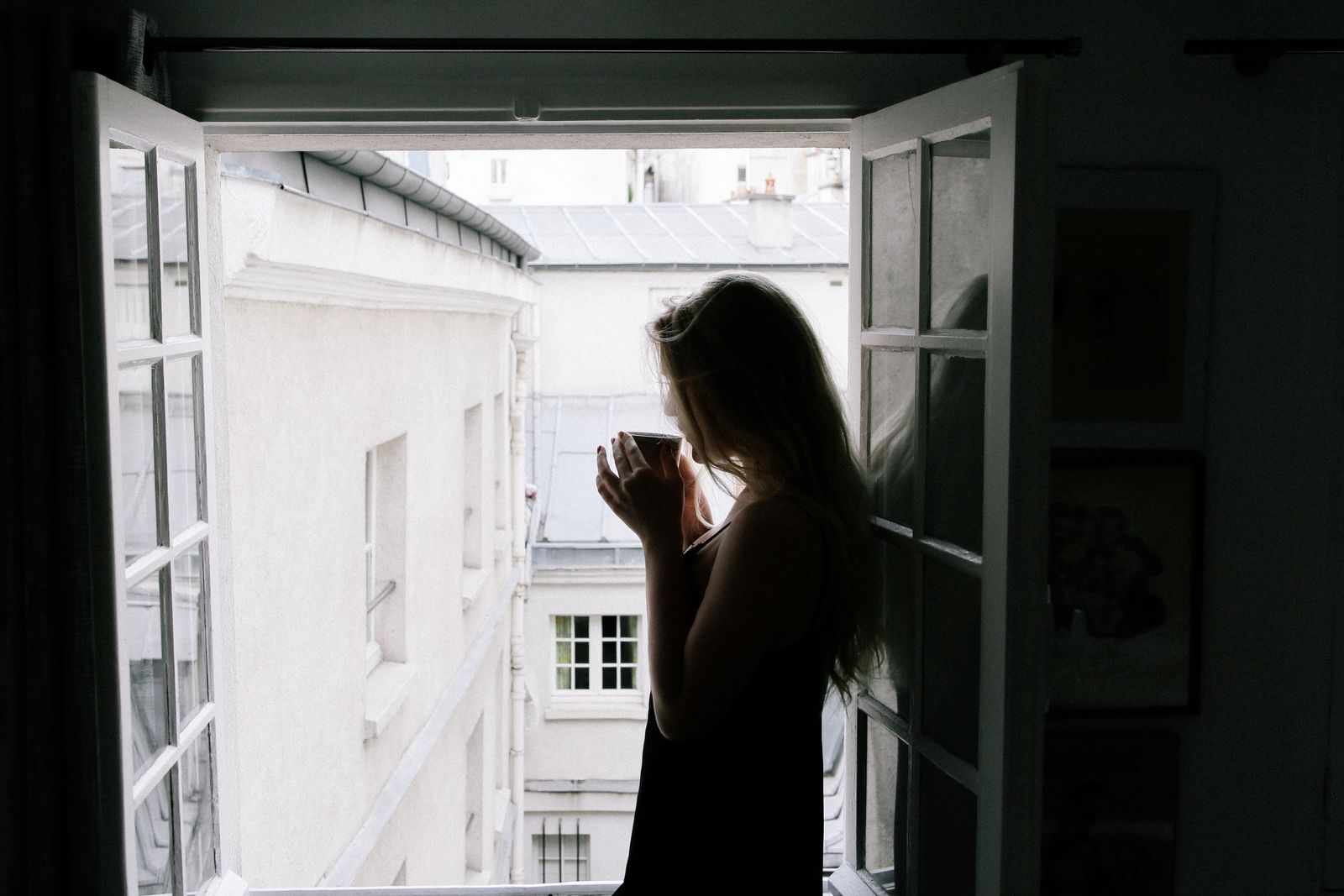
It begins, for most of us, with the morning — and the morning is where the rush does its earliest damage. We wake already behind, reach for the phone before we have reached for the day, and pour ourselves into motion before we have fully arrived in our own lives. The slow morning is the gentlest act of rebellion against all of this. The coffee made properly and drunk while it is still hot, at a window, watching the light come up. The hour that belongs to no one. The deliberate decision not to begin, just yet.
None of this requires wealth, which is precisely what makes it so radical. The slow morning costs nothing. It asks only that we decline, for a little while, to be efficient — that we treat the first hour of the day not as a runway but as a room to sit in. The woman who has mastered this has discovered something her frantic peers have not: that beginning slowly is not the same as beginning late. It is, very often, the only way to begin well.
Busyness is the one form of poverty that disguises itself as success.
The Things That Cannot Be Rushed
So much of what is genuinely worth having refuses, by its nature, to be hurried. A meal cooked slowly tastes of the time spent on it. A friendship deepens only across years. A wardrobe of pieces worn and loved for a decade cannot be assembled in an afternoon, however large the budget — it is the patient work of choosing well, again and again, over a long time. Even beauty, the kind that lasts, is a slow accumulation: the cream used faithfully, the ritual repeated, the small daily attentions that no single grand gesture can replace.
This is the thread that runs through everything we believe at ESVRA — that the best things are returned to, not rushed at; that quality reveals itself slowly; that owning less and choosing better is, in the end, a way of buying back time. Slowness is not laziness. It is a form of attention. To do a thing slowly is to do it fully, to be present for it, to refuse the modern habit of being somewhere while already racing toward somewhere else.
The Deliberate Life
To live slowly in a fast world is not effortless; it is a practice, and an unfashionable one. It means saying no — to the over-full calendar, to the obligation that does not nourish, to the cultural pressure that insists rest must be earned and idleness is a sin. It means protecting the long lunch and the slow morning as fiercely as one might protect any other treasure, because that is what they are. It means understanding that time, unlike money, cannot be earned back once spent — and choosing, therefore, to spend it with enormous care.
The fast life promises that if we hurry enough, we will eventually arrive somewhere worth being. The slow life knows that we are already here. So let the lunch run long. Let the morning take its time. Let the afternoon dissolve. The emails will keep. The luxury was never in the speed — it was always, only, in the savouring.
Slow down. Linger longer. The hours you spend beautifully are the only ones you keep.