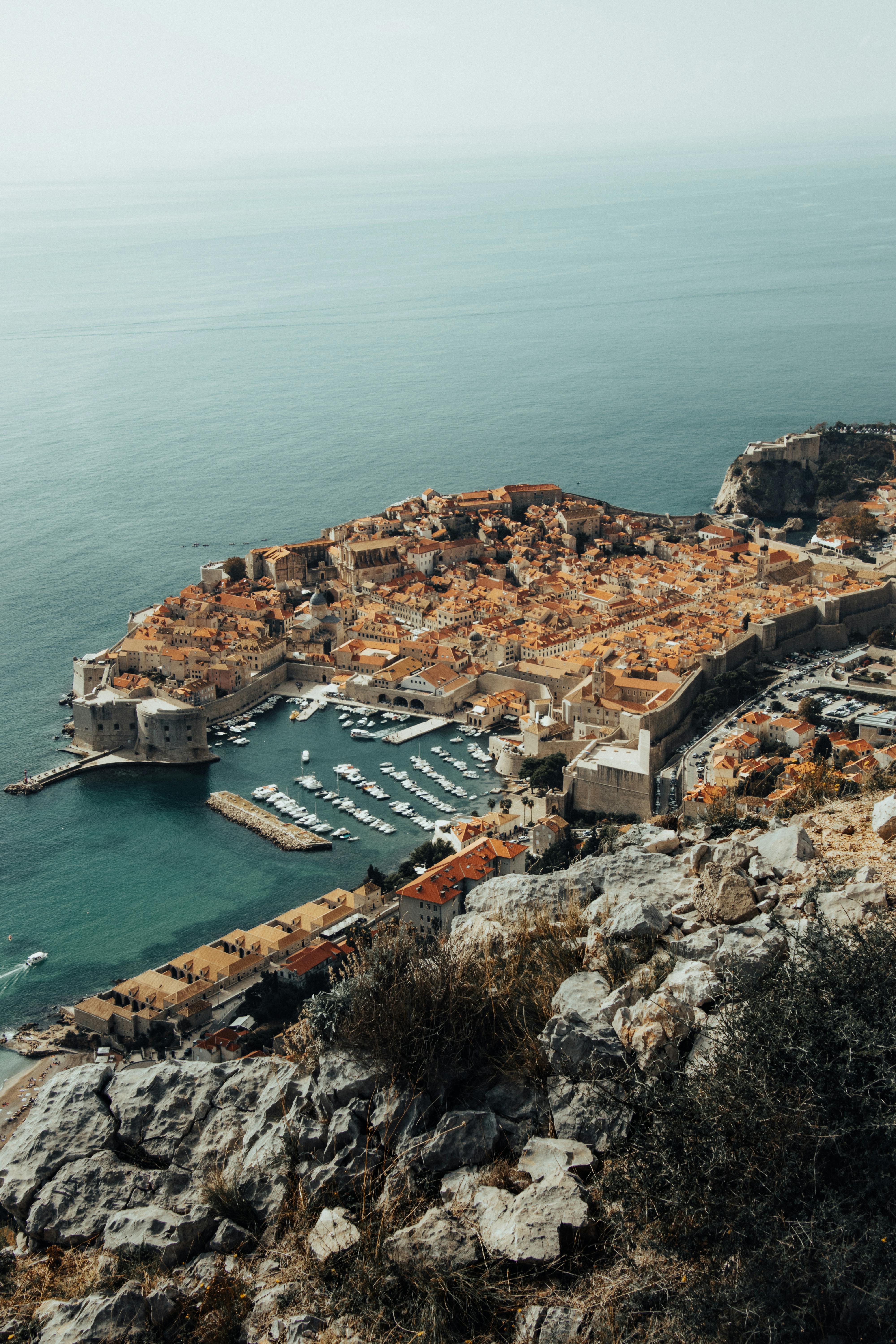
The Croatian coast has quietly become the Mediterranean's most beautiful open secret. Less polished than the Amalfi, less crowded than Mykonos, less expected than Saint-Tropez — and somehow, for those reasons, more magical. Stone cities rising straight from impossibly clear water. Lavender-scented islands. Beach clubs carved into pine-shaded coves. The Adriatic so transparent it appears lit from below.
This is the complete edit — the Dalmatian coast as the discerning traveler should experience it, city by city. Where to stay, where to dine, where to be soothed, where to swim, where to dance, where to shop, and exactly what to pack so you arrive looking as effortless as the place itself.
We move through the coast's three great cities — Dubrovnik, Hvar, and Split — with everything you need for each. Go in May, June, or September, when the Adriatic is warm enough to swim but the crowds have thinned. Pack lightly. Pack beautifully.
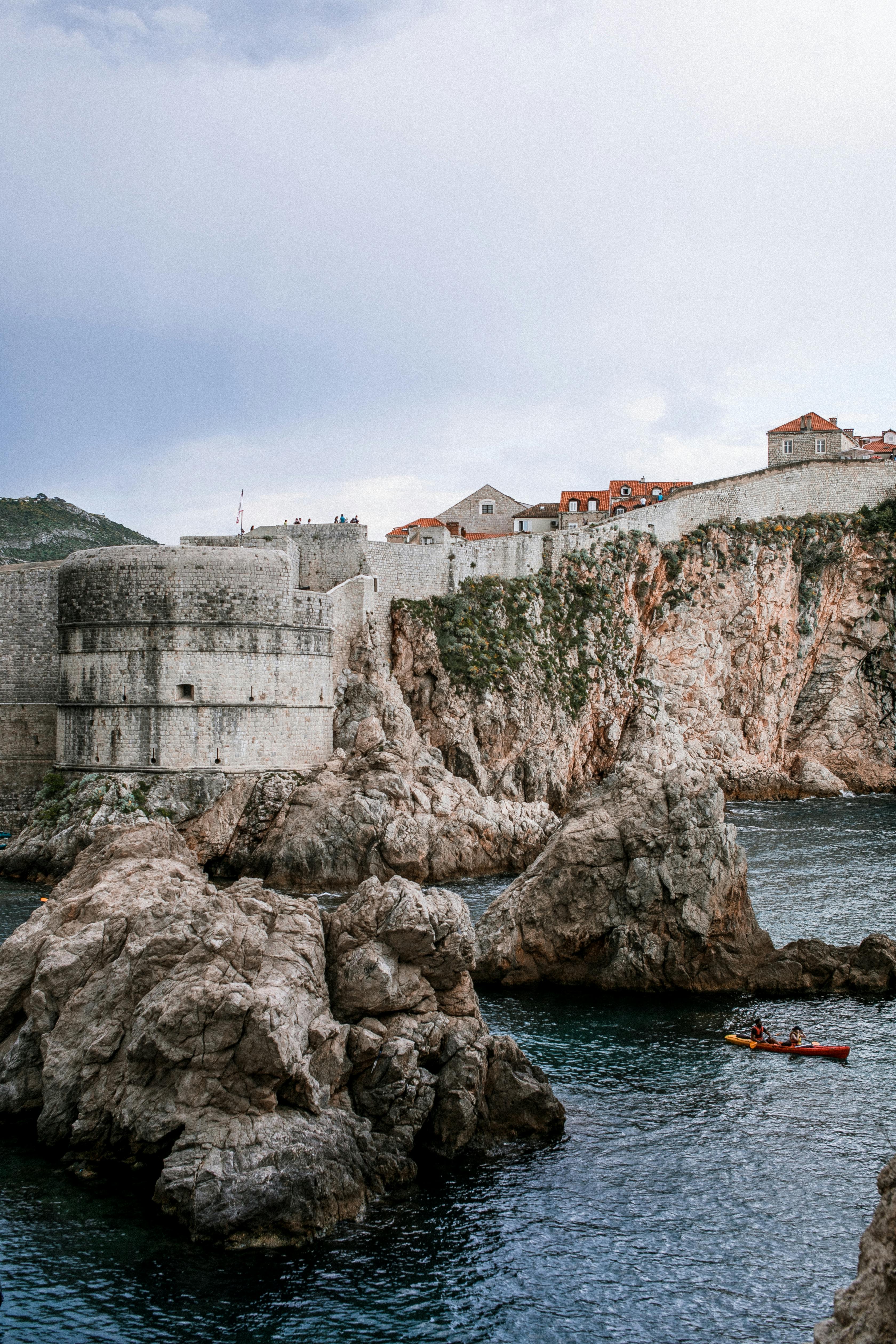
Dubrovnik — the Pearl of the Adriatic, where history rises straight from the sea.
Dubrovnik
A UNESCO World Heritage city since 1979, Dubrovnik sits behind medieval ramparts that have survived earthquakes, sieges, and most recently its own fame as the filming location for King's Landing. It is the grandest of Croatia's coastal cities — and the one that demands the most considered planning.
Where to Stay
The grande dame is the Hotel Excelsior — perched on a clifftop east of the Old Town since 1913, hosting heads of state and screen legends, its sea-facing rooms framing the city walls rising from the water. For something more intimate and exclusive, Villa Orsula occupies a 1930s white-stone villa with just thirteen rooms, a vine-draped terrace, and a private secret beach. Within the walls themselves, the Boutique Hotel Stari Grad is one of the very few hotels actually inside the Old Town — a restored 18th-century house on the Stradun with a private rooftop terrace overlooking the rooftops and sea. For a serious spa-and-beach resort experience, Villa Dubrovnik offers cliffside modernist glamour with a private jetty, while Sun Gardens Dubrovnik on the Lapad peninsula delivers a full resort with private beach.
Where to Dine
The crown jewel is Restaurant 360 — Dubrovnik's only Michelin-starred restaurant, set within the city walls in the old Luka Fort, overlooking the Old Port. Chef Marijo Curić's tasting menus and a 450-label wine list make it the finest table in the city; reservations are essential and it reopens for the season in late March. For classic Dalmatian seafood in the historic core, Restaurant Proto has been an institution since 1886, with charming side-street and indoor seating just off the Stradun. Nautika, set against the Lovrijenac Fortress, is the special-occasion address for romantic views and refined Adriatic cooking. For elegant fine dining within a luxury hotel, Restaurant Pjerin at Villa Dubrovnik holds a Michelin Plate.
Bars & Nightlife
The unmissable Dubrovnik ritual is a drink at Buža Bar — a cliffside bar literally carved into the seaward city walls (the name means "hole in the wall"), where you sip a cocktail on the rocks as the sun sets over the Adriatic. For something more polished, the cocktail terraces of the luxury hotels — particularly the bar at the Excelsior — offer sophisticated evenings with a view. The Old Town's wine bars, tucked into ancient stone lanes, are perfect for a quiet glass of indigenous Dalmatian wine before dinner.
The Beaches
Banje Beach offers the iconic shot — pebbles, sunbeds, and a full view of the Old Town walls. For a quieter escape, take the short boat to Lokrum Island, a forested nature reserve with rocky swimming spots and a saltwater lake just offshore from the Old Town.
Where to Shop
Wander the side streets off the Stradun for handmade leather sandals, traditional Croatian lace (čipka), and small ateliers selling linen and ceramics. Seek out local olive oils, lavender from the islands, and a bottle of Maraschino liqueur or indigenous Pelješac wine to carry home.
What to Do
Walk the city walls at golden hour — the single most beautiful thing to do in the city. Take the cable car up Mount Srđ for the panoramic view. And set aside a day for a Game of Thrones walking tour, or simply lose yourself in the polished limestone lanes.
It simply waits to be discovered." — ESVRA
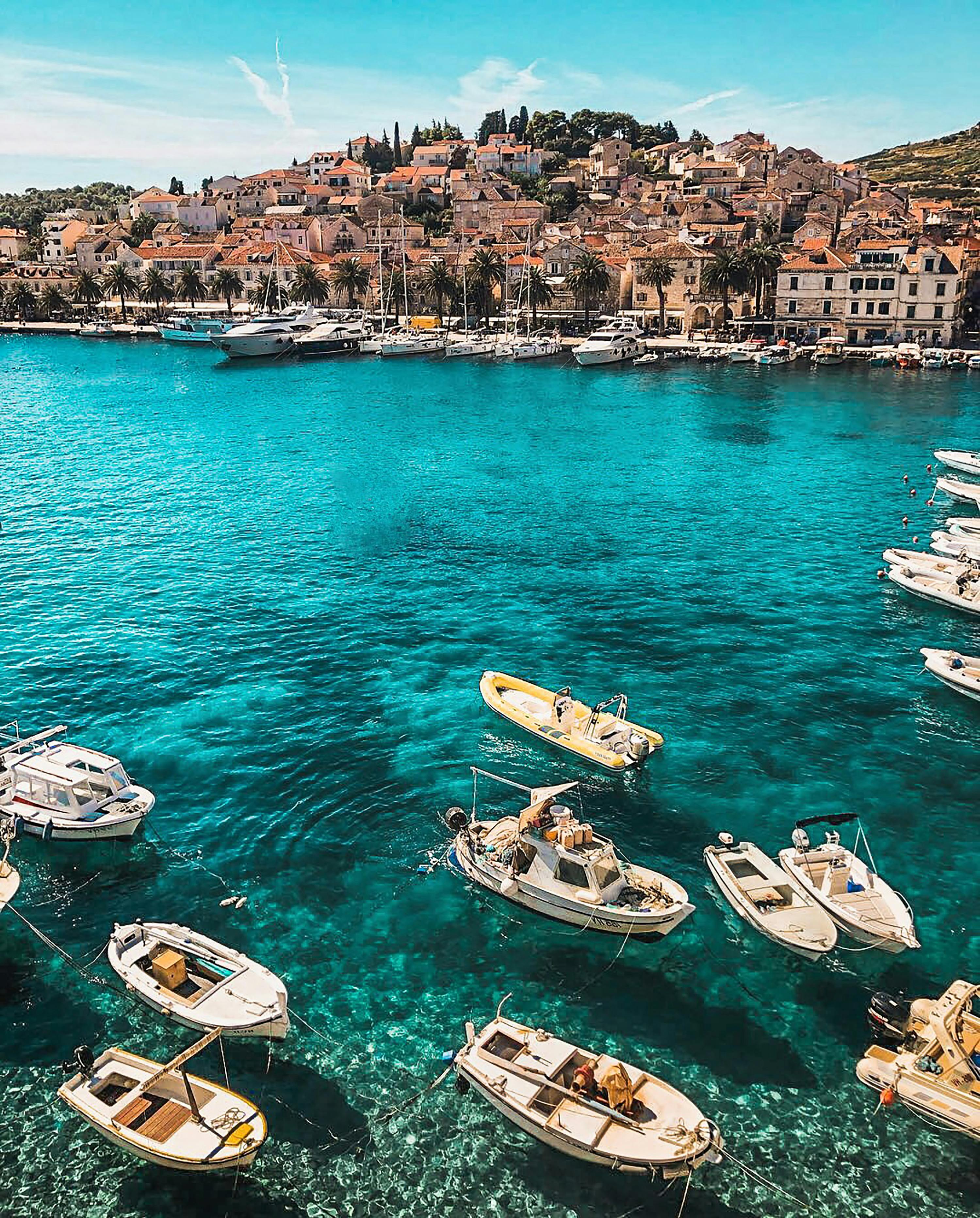
Hvar — lavender fields, yacht harbours, and the Adriatic's most electric nights.
Hvar
Hvar is the coast's glamorous heart — the sunniest island in Croatia, scented with lavender, ringed with yacht harbours, and home to the most electric nightlife on the Adriatic. By day it is serene and beautiful; by night it transforms. Done the ESVRA way, it is glamorous rather than rowdy.
Where to Stay
The iconic address is Palace Elisabeth — a beautifully restored five-star heritage hotel built on the foundations of a 13th-century Venetian palace, overlooking Hvar's main square, with a serene spa, a rooftop terrace, and the elegant San Marco restaurant. For a design-led wellness retreat away from the buzz, Maslina Resort near Stari Grad is the quiet-luxury choice — nestled in a pine forest with a destination spa, hammam, and Mediterranean dining. On the harbour, Hotel Adriana Spa Hotel offers a rooftop bar and pool overlooking the yachts and the Pakleni Islands beyond.
Where to Dine
The most exclusive table is Laganini Lounge Bar & Fish House on St. Clement island in the Pakleni archipelago — an institution for more than fifty years, serving gourmet seafood, fresh oysters, and lobster pasta in a stylish, laid-back setting reached by boat. Also on Palmizana, Zori is the elegant choice for a long, languid lunch by the water. In Hvar town, Black Pepper is the local favourite hidden gem, while Dalmatino and Dva Ribara serve beautiful traditional Dalmatian dishes in a more casual register.
Beach Clubs & Nightlife
The legend is Carpe Diem — the original cocktail bar on Hvar's waterfront for over twenty-five years, the landmark hang-out of the yachting set. Its sister venue, Carpe Diem Beach on Marinkovac Island, is a proper beach club: a secluded cove with bars, dance floors, and a swimming pool, open until the small hours and reachable by water-taxi. For the sunset ritual, nothing beats Hula Hula — the Bali-meets-Adriatic beach bar a short walk from town, where the après-beach party begins each afternoon at five. For exclusivity and a touch of theatre, Pink Champagne hosts nightly burlesque-style cabaret for a VIP crowd. End the night at Veneranda — an open-air club within the walls of a former monastery, famous for its sunrise views.
The Beaches
The magic of Hvar is offshore. Take a water-taxi to the Pakleni Islands for secluded swimming, pine-shaded coves, and beach clubs that feel a world away. For a beautiful pebble beach on the island itself, Dubovica — a small bay south of Hvar town — is the postcard spot.
Where to Shop
Hvar's signature is lavender — buy oils, sachets, and soaps at the morning market. Seek out local honey, rosemary products, and Croatian olive oil. The boutiques around the main square carry resort wear and handmade jewelry perfect for the island evenings.
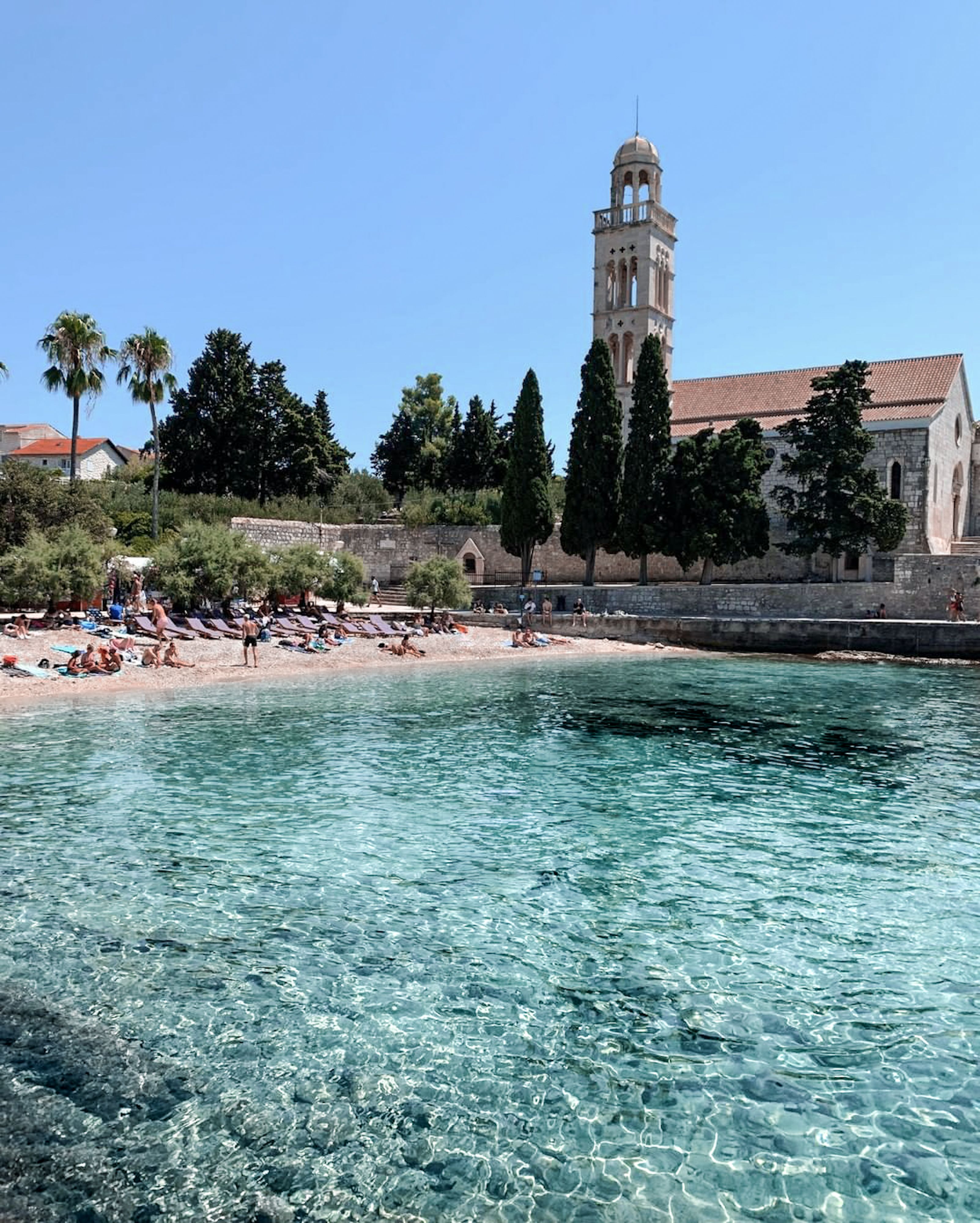
The Adriatic off the Pakleni Islands — the clearest swimming of your life.
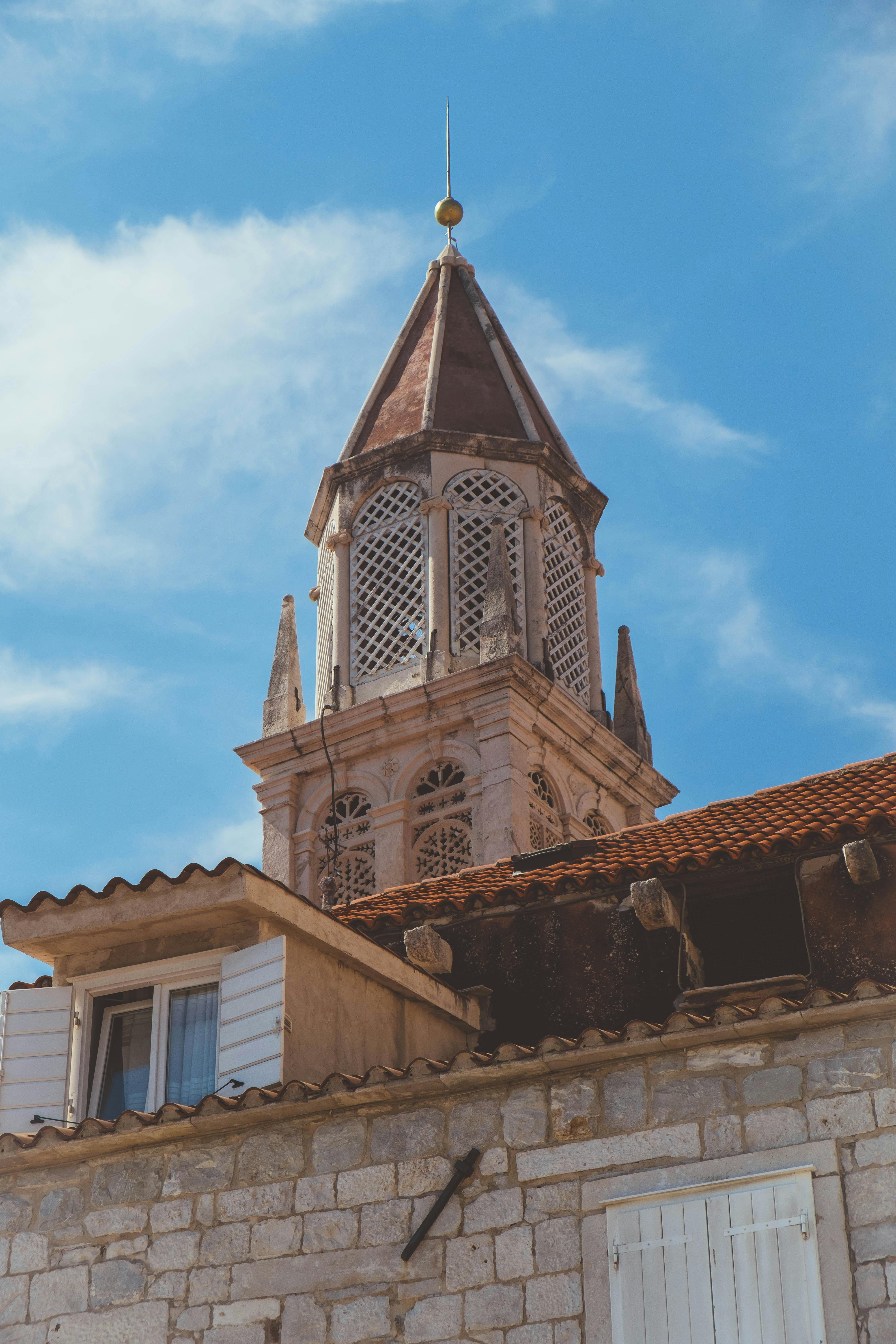
Split — a living Roman palace where café culture shares the marble.
Split
Split is the coast's most fascinating city — built inside and around the 1,700-year-old Diocletian's Palace, a living Roman ruin where locals still hang laundry between ancient columns and sip coffee on the marble Riva waterfront. It is the gateway to the islands and a destination in its own right.
Where to Stay
The design-led choice is Hotel Venturo — a member of Design Hotels, between Bačvice beach and the Palace, with a rooftop sundeck pool, spa, and a signature suite with private terrace. For a refined boutique stay inside the Old Town, Heritage Hotel Santa Lucia offers an intimate terrace, while Judita Palace sits within the Palace walls themselves. For rooftop glamour and Riviera views, Hotel Ambassador delivers a rooftop pool and panoramic terraces. The waterfront AC Hotel by Marriott offers the serene 178 SPA — a white sanctuary in the sky with full-height windows over the city, sea, and islands.
Where to Dine
Split's dining has come alive within the ancient palace walls. Seek out Restaurant Dujkin Dvor for refined Dalmatian classics, Bokeria Kitchen & Wine Bar for a buzzy, design-forward atmosphere, and Zoï for elevated Mediterranean cooking with a view over the Riva. For the freshest fish, the konobas (traditional taverns) tucked into the palace lanes serve whatever the harbour brought in that morning.
Bars & Nightlife
The Palace itself becomes the nightlife after dark — buzzy bars fill the ancient courtyards, particularly around the Peristyle, the central Roman square where you can sip a cocktail on the marble steps. The Bačvice beach area holds the city's livelier late-night scene, while the Riva waterfront is perfect for an elegant evening aperitivo as the promenade fills with the evening passeggiata.
What to Do
Explore Diocletian's Palace — not a museum but a living neighbourhood. Climb the bell tower of the Cathedral of Saint Domnius for the view. Hike up Marjan Hill for the sunset over the city and sea. And use Split as your launch point for day trips to Trogir, Brač, and Hvar.
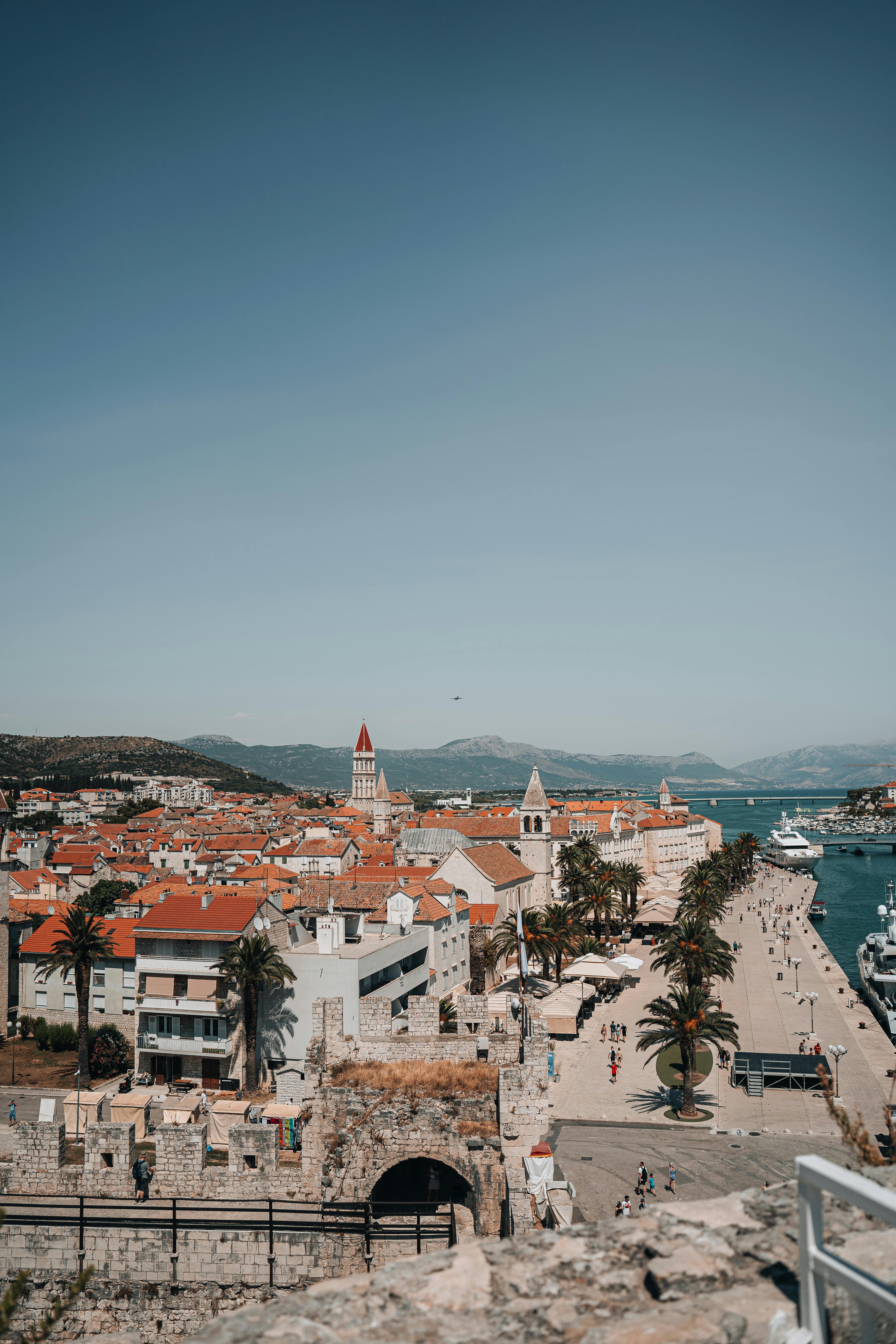
Trogir — a UNESCO-listed island town, the perfect day trip from Split.
The Islands
Should you have the time, sail further. Brač is home to Zlatni Rat — the shimmering white-pebble "golden horn" that is the postcard beach of Croatia, shifting its shape with the tides. Korčula, the rumoured birthplace of Marco Polo, offers a miniature walled town often called "little Dubrovnik" and exceptional white wines. And remote Vis — the furthest inhabited island, opened to tourism only in the 1990s — rewards the intrepid with the near-enclosed amphitheatre of Stiniva Cove and the luminous Blue Cave on neighbouring Biševo.
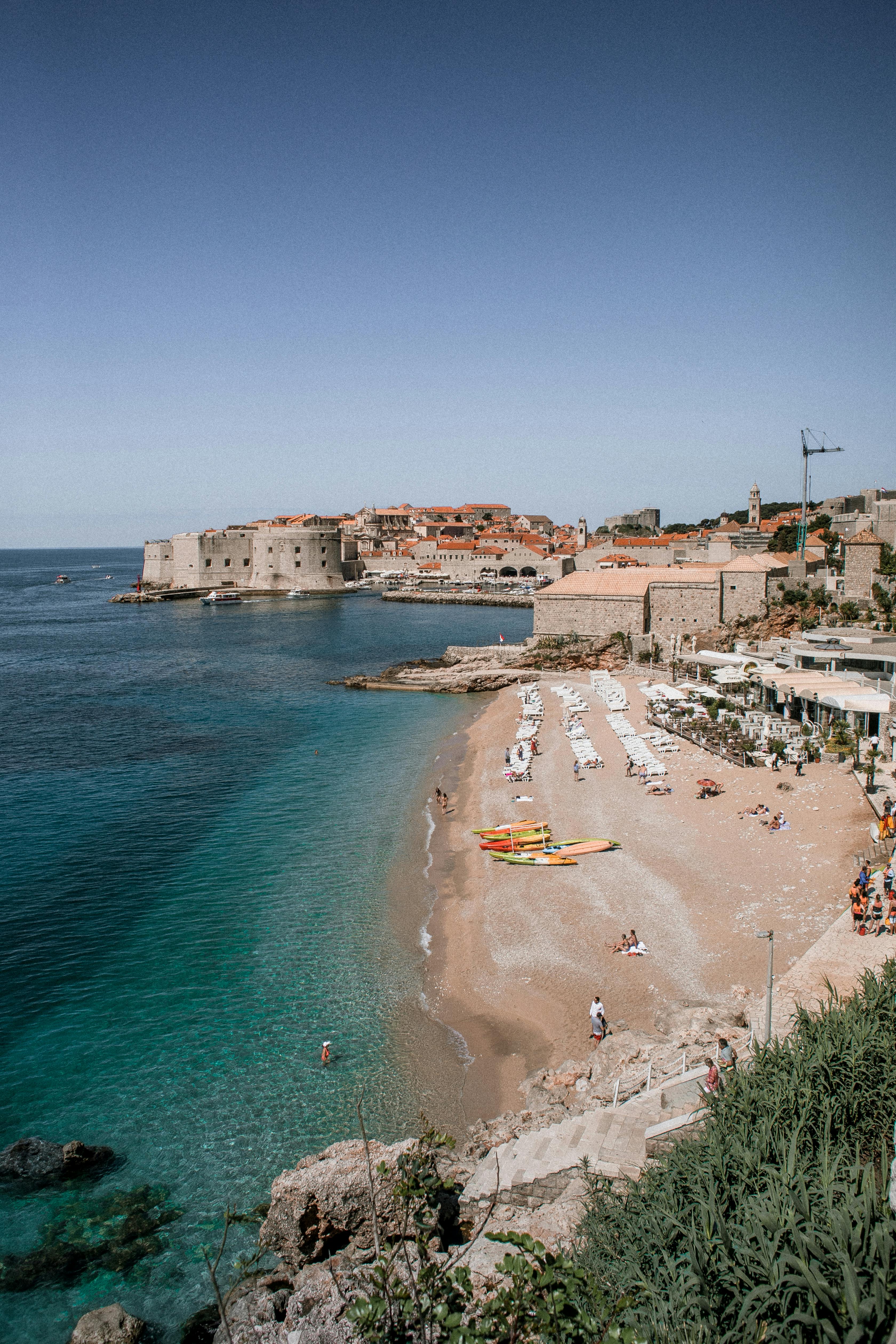
The Dalmatian islands — where stone, sea, and silence meet.
The Coastal Wardrobe
Croatia asks for a particular kind of dressing — relaxed enough for cobblestones and boat decks, polished enough for sunset cocktails at Carpe Diem or dinner at Restaurant 360. Think breathable fabrics, sea-ready swimwear, and shoes that survive both ancient streets and beach club ladders. Here is the edit.

Dressing for the Dalmatian coast — easy, breathable, considered.
The Dresses
The foundation of the Croatian wardrobe — three for daytime wandering and harbour lunches, one for the evenings that drift into Hvar's nightlife.
The first dress
Easy, breathable, the one you'll reach for again and again.
Shop the dressThe second dress
Old-town strolls, harbour lunches, golden-hour photographs.
Shop the dressThe night dress
For dinner on the Riva and cocktails after — the dress that earns the evening.
Shop the dressThe Swimwear
With water this beautiful, you'll want to be in it constantly. One sculptural one-piece for the beach clubs, one bikini for the boat days.
The swimsuit
Sleek and considered — at home at Hula Hula or on a Pakleni cove.
Shop the swimsuitThe Sandals
Cobblestones by day, beach club ladders by sunset — your shoes need to do both beautifully.
The first sandal
Cobblestone-friendly, walk-all-day comfortable, still chic.
Shop the sandalsThe Bags
Three bags carry the whole trip — two for the day's adventures, one clutch for the evenings that matter.
The clutch
The small, considered piece for dinner on the Riva and cocktails at Carpe Diem — everything you need and nothing you don't.
Shop the clutchThe Adriatic Stays With You
There is a particular feeling the Croatian coast leaves behind — the salt still in your hair, the lavender still on your skin, the memory of water so clear it didn't seem real. It is a coast that doesn't perform for you. It simply exists, ancient and unhurried, and asks only that you slow down enough to meet it.
Walk the walls of Dubrovnik. Sail to the Pakleni Islands. Dine beneath the Michelin stars at 360. Dance at Hula Hula until the sky turns pink. Wake inside a Roman palace in Split. And pack beautifully — because the Croatian coast, like everything ESVRA loves, rewards the woman who arrives considered.
The Adriatic is waiting. It always has been.