Most Wanted · The Opulent Trend
Modern Heirlooms
Not simple, not minimal. Brocade, jacquard, embroidery — cloth that is worked rather than merely cut.
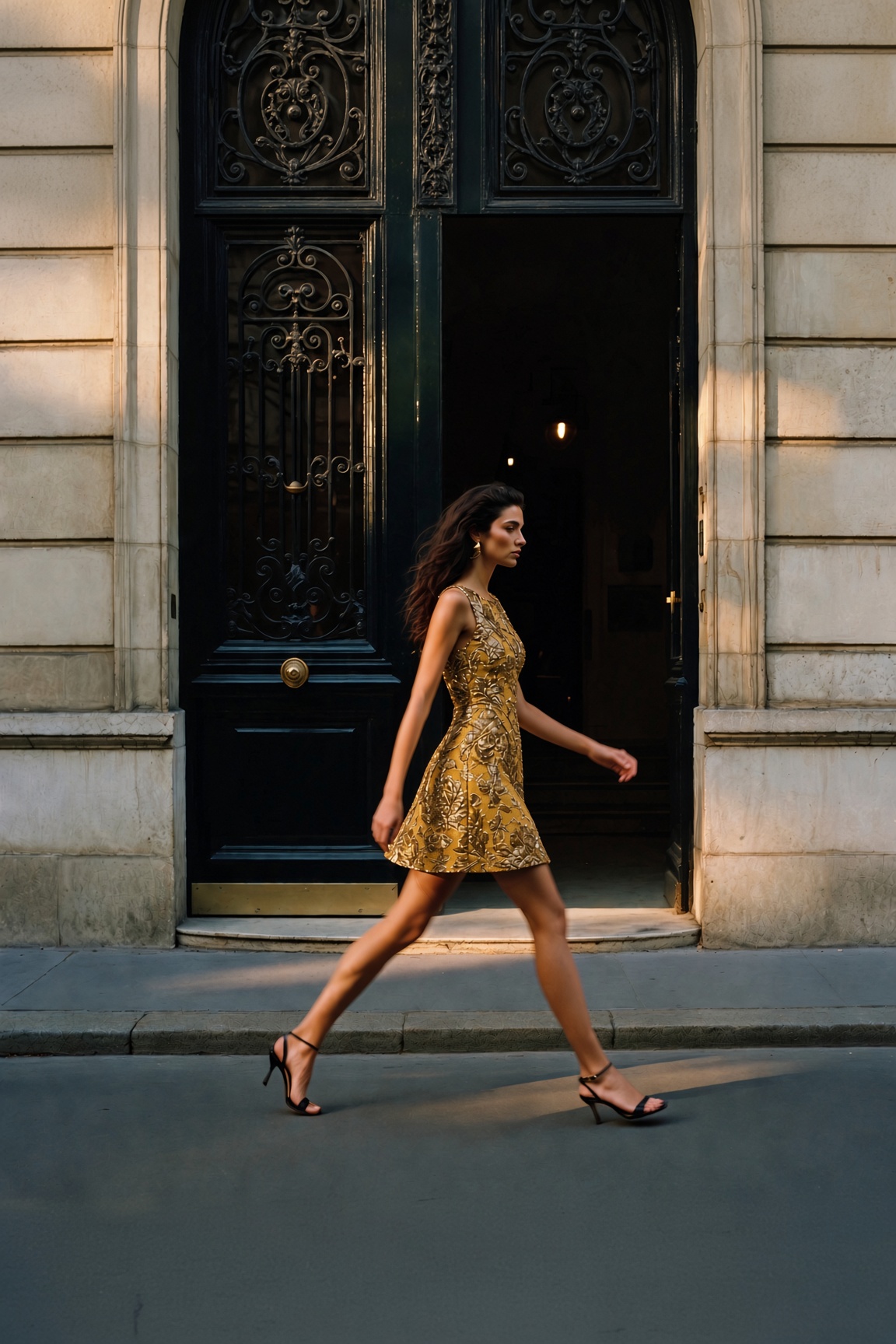
Not simple, not minimal. Brocade, jacquard, embroidery — cloth that is worked rather than merely cut.
Minimalism is over for the season, and the runways did not phrase it gently.
The fall collections came back decorated — brocade, embroidery, tapestry, fringe and rich colour, at houses from Dior to Conner Ives. The register was the roaring twenties rather than the quiet twenty-twenties: cloth that has been worked rather than merely cut. Pieces that look like they came out of a wardrobe rather than off a rail.
Which is where the phrase for it comes from. These are modern heirlooms — not because anyone is pretending they are antique, but because they are made to be kept. Brocade does not date the way a silhouette does. A woven pattern has no season in it.
That is the argument for spending on this rather than on a trend. Dries Van Noten has cut floral jacquard for thirty years and never once been current or unfashionable, only himself. La DoubleJ built a house on it. Saint Laurent’s Jardin brocade is stretch-woven, which is a technical feat rather than a decorative one. Alessandra Rich wove leopard into silk jacquard instead of printing it, and the difference is visible from across a room.
The distinction to hold onto is woven against printed. A print sits on the surface and flattens under any light. A jacquard is built into the cloth, so the pattern moves when the fabric does and holds depth from every angle. It is the reason one costs four figures and the other does not, and it is the only thing worth checking before you buy.
The rule is the one that always applies here. One decorated piece and everything else silent. The brocade coat over a black trouser. The jacquard midi with a plain shoe. Two ornate things at once is not confidence, it is upholstery.
This is not an edit for anyone building a capsule wardrobe. It is for the woman who wants one piece she will still own in twenty years — the mini, the midi, the long dress, the coat and the jacket.
Mine is the Dries Van Noten floral-jacquard midi in green. The pattern is woven, not printed — it moves when the satin does, and it will look exactly as right in ten years as it does now.— K.W., Editor-in-Chief
Tap any piece below to shop the whole edit.

The jacquard jacket or blazer over a plain trouser and a fine knit. Nothing else patterned, nothing else shining.
One brocade dress, a black heel, one gold thing at the ear. The cloth is already the jewellery.
Woven beats printed. Check whether the pattern is in the cloth or on it — everything else follows from that.
Two decorated pieces at once. And anything ornate over anything shining.
Start with the Saint Laurent Jardin.
Short, and the loudest thing you will own. Saint Laurent, Markarian, La DoubleJ and Simkhai.
Woven, not printed. The pattern is built into the cloth, which is why it holds light differently from every angle.
Stretch brocade is a contradiction the house solved. It moves like jersey and reads like a tapestry.
A corset line under brocade gives the cloth somewhere to sit. Structure is what stops ornament sliding into costume.
The house has done this longer than anyone, and it does it without irony. Swing cut, so it moves away from the body.
Bustier, jacquard, nothing else needed. The most current shape on the page rather than the most enduring — buy it for now, not for the decade.
Start with the Dries Van Noten.
Mid-calf, the length that carries pattern best. Three woven, one printed and honest about it.
Leopard woven into silk jacquard rather than printed on it. The animal reads as texture, which is the whole difference.
The house cuts a midi better than it decorates one, and here it does both.
Nobody has done floral jacquard longer or better. Satin ground, so the pattern sits on light rather than on cloth.
Printed, not woven — the exception on this page, and the only one. The tapestry motif at a fraction of the invoice, and honest about which it is.
Start with the La Fuori.
Full length, where ornament has room to sit. La Fuori and La DoubleJ.
A newer house using an old technique. Jacquard and embroidery together is usually too much — it works here because the ground colour is quiet.
Feathers at the hem, silk above. The trim moves and the dress does not, which is the correct arrangement.
Start with the Dries Van Noten.
Full length and cropped, the heaviest cloth in the edit. Dries Van Noten and Chloé.
Lamé run through the jacquard, so the metal is in the weave. Over black, it is the entire outfit.
Taffeta gives it a rustle and a shape. Fitted, so the decoration follows a line rather than floating.
A full coat in brocade is the most committed piece on this page, and the one you will wear most.
Start with the 'S Max Mara.
Jackets, blazers and one top — ornament worn over plain clothes. Five woven, one printed.
Cut like nightwear, made in jacquard cotton. The house has been arguing for this for three seasons.
Damask on a denim pattern. This one is the argument rather than the archive — the only collaboration here, and the only piece that could not have existed fifty years ago.
Printed, not woven — the second exception, and it earns it. This is the house that made paisley its own. Wrapped, so there is no closure to fight.
Named for how often you can wear it, which is the claim the rest of this edit cannot make.
The shape is plain and the cloth is not. That is the correct way round.
The quietest price on the page, in silk jacquard, from a house that has never made a loud thing in its life.
Fifteen houses, and between them a few hundred years of knowing how to weave a pattern into cloth.
A print is a season. A weave is a decade. That is the whole argument, and it is the only thing worth checking before you spend.— ESVRA